Nowadays, decorating your garden is crucial for every modern house. Outdoor metal wall art can really add an aesthetic touch to your garden, patios, or outside walls. But remember that the weather can lead to rust, which can spoil your garden’s beauty and the lifespan of your art. If you want your metal wall art to look good and last longer, you need to stop the rust and take care of your artwork.
In this article, we will talk about how to shield your outdoor metal wall art from rust and explore some helpful advice on how to keep it bright and rust-free for many years.
Table of Contents
Choosing a rust-protection method? This guide focuses on protective coatings and material-specific corrosion prevention. For routine washing, seasonal inspections and general upkeep, see our outdoor metal wall art care guide.
Understanding the Materials
What is Rust?
Rust is iron oxide. It’s a reddish-brown substance that shows up when iron or iron-mixed metals like steel encounter oxygen and moisture. We call this happening oxidation. Usually, you’ll find rust on metals that have iron. Over time, it can mess up their strength and how they look quite a lot.
Causes of Rust Formation:
- Moisture:
The water in the air plays a crucial role in causing rust. when metal faces open air, it sets off a chemical bout with oxygen and it causes rust.
- Oxygen:
Also, exposing the metal to air kicks off a chemical reaction, resulting in rust.
- Salt and Pollutants:
If your outdoor metal wall art is near the sea or industrial areas, salt or pollutants speed up the rusting process.
Why is Metal Art Prone to Rust?
Outdoor metal wall art faces a big challenge against the weather. It’s always placed outside your house, which means all weather changes like snow, rain, and a lot of damp air can create the ideal environment for rust to form.
Iron and ordinary carbon steel can develop red rust when moisture and oxygen reach exposed surfaces. Stainless steel is generally more corrosion-resistant, though it can still stain or corrode in harsh conditions. Aluminium does not form red iron rust, but it can corrode in other ways. Check the material and finish before choosing a treatment.
Impact of Rust on Aesthetics and Durability
- Aesthetic Damage:
Rust can create reddish-brown spots on metal, spoiling the art’s look. Sometimes, rust can chip or flake away, hurting the visual appeal even more.
- Structural Damage:
Rust is not just a surface problem. It affects the metal deeply. When rust expands, it can cause the metal to become brittle, thin, and, sometimes, crumble completely.
- Increased Maintenance Costs:
If it is not taken care of in time, rusted metal wall art can lead to a lot of fixing or even replacement. Leading to higher maintenance costs over time.
Rust-Proofing Techniques for Metal Wall Art
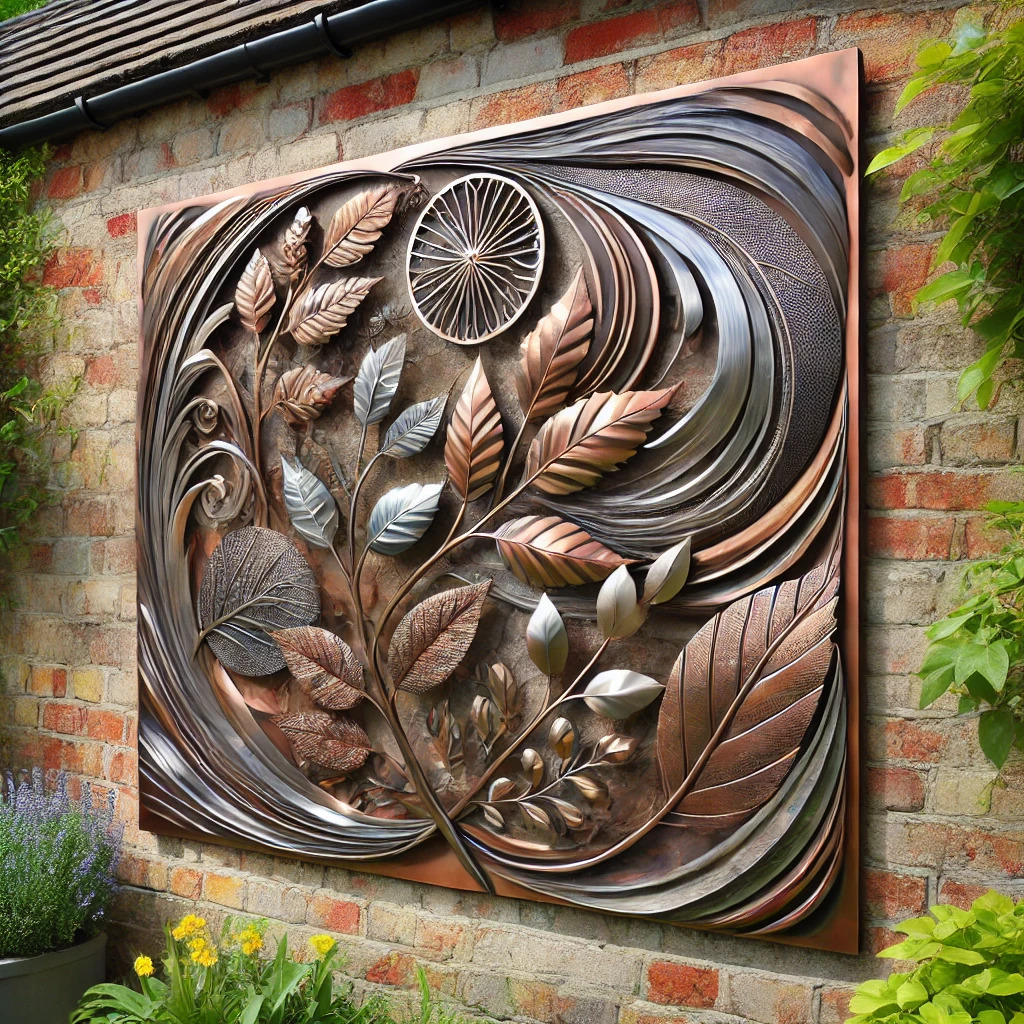
Applying rust-proofing techniques is essential if you want to maintain your metal wall art beauty. Let’s explore some handy methods to shield your artwork from corrosion and extend its life:
- Galvanization:
Galvanizing adds a zinc coating to iron or steel, providing corrosion protection even when minor surface scratches occur. It is generally a manufacturing or specialist treatment, not a simple DIY coating for a finished decorative piece. It reduces rust risk but does not prevent corrosion forever.
- Powder Coating:
It’s a technique that uses electricity to apply powder to metal. They sprinkle dry powder, generally polyester or epoxy, onto the surface. Next, into the oven, it goes for curing. What you get is a tough, long-lasting finish. It stands up well against moisture, sunlight, and rust.
- Waxing for Protection:
Some metal-specific waxes can offer temporary protection on suitable decorative finishes. However, wax is not a universal outdoor rust-proofing solution and may require frequent reapplication. Check compatibility with the artwork’s metal and existing coating before use.
- Clear Coat Sealer:
A clear coating may help protect compatible metal finishes, but not every clear coat is suitable for outdoor exposure. Poor surface preparation, trapped moisture or incompatible coatings can cause peeling or corrosion beneath the film. Follow the product maker’s preparation and application instructions.
- Rust-Inhibiting Primer and Paint:
First, use a primer that stops rust. It’s like a shield, blocking rust from happening. Then paint over it with a strong outdoor metal paint. This does two things. It keeps the protection going, and it makes things look good, too.
Maintenance Tips for Longevity
Regular Cleaning:
Regularly wipe your metal wall art with a gentle cloth, simple soap, and water. This is because dust, grime, and dampness may progressively cause rust and spoil the piece. The purpose of cleaning is to eliminate these harmful components. Do this around every 3-6 months, or more often if the artwork is kept outside or in a place with high dampness. Don’t use strong chemical cleaners, which might harm protective surfaces.
Touch-Up Paint or Coatings:
If paint is chipped or corrosion appears, identify the metal and original finish before attempting a repair. For minor damage, follow the manufacturer’s guidance for cleaning, preparing and touching up the surface with compatible outdoor-rated products. Replace or seek professional advice for weakened mounts or extensive corrosion.
Inspect for Early Signs of Rust or Corrosion:
Check out your metal artwork frequently for initial signs of rust, chipping paint, or corrosion. That help you for stopping rust in its tracks and halt any damage to your art’s structure. Do this every couple of months. It’s more crucial if your piece is displayed outside or in damp, salty air conditions. A magnifying glass will help you spot rust in hard-to-see areas or on textured surfaces.
Conclusion
In conclusion, keeping your outdoor metal wall art shiny and long-lasting needs a hands-on method to stop rust and keep it maintained. Getting to know the reasons for rust and using ways like galvanization, powder coating, and usual waxing or sealing, you can notably lengthen your artwork’s lifespan. Routine cleaning, minor fixes, and checks for rust signs early on make sure your metal wall art stays bright and sturdy. With the right attention, your outdoor metal items can keep making your garden or patio look great, holding up against weather for many years.
FAQ
What are some visible signs that indicate you need to start rust-proofing your metal art?
Small rusty spots, flaking paint, color changes, and rough surfaces are initial signs. Not dealing with these can cause bigger rusty areas, impacting both looks and stability.
Can all types of metal wall art be rust-proofed, or are there some metals or coatings that are harder to protect?
Many kinds of metal wall art can resist rust, while others like iron need extra care. Some metals like copper make it tough for coatings to stick on. Instead, they take on a patina over rusting. In these situations, the gradual changes over time are found to be more pleasing to the eye.