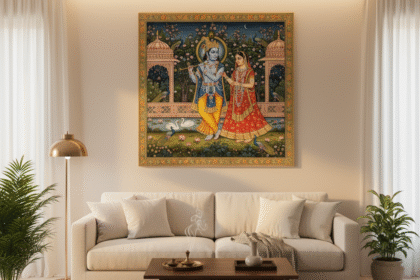
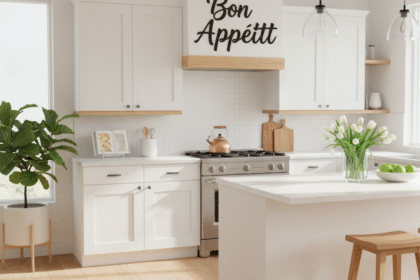
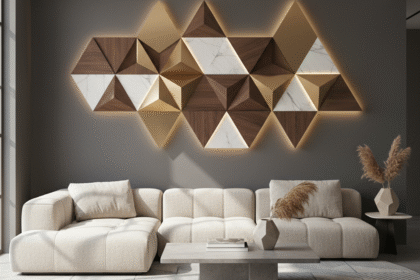
A small room can still have plenty of personality. The right artwork can make a plain wall feel complete, add colour to a quiet corner, and help a compact space feel more like home. The trick is choosing pieces that suit the size of the room rather than filling every empty spot.
If you are searching for wall art for small rooms, start with the wall you want to improve, the furniture around it, and the mood you want to create. You do not need a large collection or expensive artwork. A few thoughtful choices can make a noticeable difference.
Here are nine simple ways to use wall art in a small bedroom, apartment, hallway, or living area.
1. Choose One Main Piece Instead of Many Small Ones
When a room is compact, too many separate decorations can make the walls look busy. A single medium-sized or carefully chosen large artwork can create a clear focal point without adding visual clutter.
Try placing one print, canvas, or framed painting above a bed, sofa, desk, or console table. Leave some empty wall around it so the artwork has room to stand out. The best size depends on the furniture and wall, so use paper templates to test the proportions before hanging anything.
2. Use Light Colours to Keep the Room Feeling Open
Artwork does not have to be pale to work in a small room, but lighter backgrounds and softer colour combinations can help the space feel calm. Cream, muted green, soft blue, warm beige, and gentle grey can sit comfortably in many interiors.
If your room already has neutral walls, choose artwork with one or two stronger accent colours. Repeat those colours in a cushion, rug, lampshade, or other small detail to make the room feel connected.
3. Think Vertically With Tall Wall Art
In a narrow room, a vertical print or a set of vertically arranged frames can draw the eye upward. This makes good use of wall height without taking up floor space.
Consider a tall botanical print, a portrait-format abstract piece, or two matching artworks stacked one above the other. Keep the arrangement balanced with nearby furniture and avoid placing frames so high that they are uncomfortable to view.
4. Try a Small, Carefully Planned Gallery Wall
A gallery wall can work in a compact room, provided the arrangement is planned. Instead of covering a large area with many unrelated frames, choose a small group that shares a colour palette, subject, or frame style.
For example, combine three family photographs with similar frames, or pair a simple line drawing with two small art prints. Lay the arrangement on the floor first, or cut paper shapes to the size of each frame and tape them to the wall. This helps you adjust the spacing before making holes.
For more layout inspiration, see our guide on how to create a gallery wall.
5. Match the Artwork to the Room’s Purpose
Think about how you use the room before choosing a subject. A bedroom may feel more restful with nature prints, soft abstract designs, or personal photographs. A small work area might suit a bold graphic print or an image that motivates you. In a dining nook, food illustrations or warm colours can make the corner feel welcoming.
There is no single correct style. Choose art that makes sense for the people who use the space, not just something that looks good in a catalogue.
6. Use Mirrors Alongside Artwork
A mirror is not wall art in the traditional sense, but it can work well as part of a wall display. It reflects light and gives the eye another view of the room, which may help a compact space feel brighter.
Try placing a small mirror beside a framed print or using a decorative mirror as the centre of a simple arrangement. Be mindful of what the mirror reflects. A view of a window or an uncluttered part of the room is usually more pleasing than a busy corner.
7. Choose Frames That Do Not Overwhelm the Wall
Thick, dark frames can look striking, but in a very small room they may draw more attention than the artwork itself. Slim wood, white, black, or metal frames can give prints a neat finish without making the display feel heavy.
For a relaxed look, mix a few frame finishes carefully. For a cleaner look, keep the frames consistent. Either approach can work; the important thing is to make the group feel intentional.
8. Make Use of Awkward and Unused Spaces
Small rooms often have narrow wall sections that are easy to overlook. The area beside a wardrobe, above a desk, near a doorway, or at the end of a hallway may be suitable for one small artwork.
Choose a piece that fits the available space and does not interfere with doors, switches, shelves, or daily movement. In a rented home, removable picture strips or picture ledges may be useful, but always check the product’s weight limits and the condition of your wall first.
9. Let the Artwork Connect With the Rest of the Decor
Wall art looks more at home when it relates to other elements in the room. This does not mean every colour has to match. Instead, look for a small connection: a wooden frame that echoes a bedside table, a blue detail that picks up a cushion, or a botanical print that complements indoor plants.
If you like clean, contemporary interiors, explore the ideas in our article about geometric wall art. If natural materials appeal to you, our collection of wood wall art ideas may help you find a warmer look.
Common Mistakes to Avoid in a Small Room
- Hanging art too high: Place artwork at a comfortable viewing height and relate it to the furniture below it.
- Choosing pieces that are too tiny: Very small frames can disappear on a wide wall. Consider one larger piece or a balanced group.
- Filling every empty space: A little blank wall helps the room feel calmer.
- Ignoring the furniture: Check how the artwork looks above a bed, sofa, or desk before fixing it in place.
- Mixing too many styles: Different styles can work together, but a shared colour or theme helps the display feel cohesive.
How to Plan Your Wall Before Hanging Artwork
Before buying or hanging anything, take a quick photo of the wall. Measure the available width and height, including the furniture below it. You can then compare those measurements with the artwork you are considering.
Next, make a paper template for each frame and arrange the templates on the wall with removable tape that is safe for your paint finish. Step back and look at the arrangement from the doorway and from the places where you normally sit or stand. Make changes until the display feels balanced.
Finally, check the hanging hardware and the weight of each piece. Use fixings that are suitable for your wall type, and follow the manufacturer’s instructions for adhesive hooks or strips.
Frequently Asked Questions
What kind of wall art is best for a small room?
The best choice is artwork that fits the wall and supports the room’s style. One well-proportioned print, a vertical piece, or a small coordinated gallery wall can all work well.
Should I use large or small pictures in a small room?
Both can work. One medium or larger piece can create a focal point, while several small pictures can add interest when arranged neatly. Avoid choosing artwork so small that it looks lost on the wall.
How can I make a small room look bigger with wall decor?
Keep the display simple, use some lighter colours, make use of vertical space, and consider adding a mirror where it reflects light or an attractive view. Avoid overcrowding the walls.
Can I create a gallery wall in a small bedroom?
Yes. Use a limited number of frames, keep a consistent theme or colour palette, and plan the layout before hanging them. A compact arrangement above a bedside table or dresser can be enough.
How do I hang wall art in a rented apartment?
Check your rental agreement and ask the landlord if needed. Depending on the wall surface and artwork weight, removable picture strips or a freestanding picture ledge may be suitable. Follow the product instructions and test carefully.
Final Thoughts
Decorating a compact space is about making thoughtful choices, not filling every wall. Start with one area, choose artwork that suits the room, and leave enough breathing space around each piece. Whether you prefer a simple canvas, family photographs, or a small gallery wall, the right display can make your room feel more personal and inviting.
Explore more wall art inspiration and practical decorating ideas at Debatebay, and find a style that makes your space feel like yours.