
Framed wall art can make a room feel finished without requiring a full makeover. The right frame gives an artwork a clear visual boundary, helps it work with your furniture and colours, and can offer a layer of protection. Whether you prefer simple line drawings, colourful prints, family photographs or expressive paintings, a thoughtful frame can make the piece feel at home.
The trick is to choose the artwork and frame as a pair. A bold print may look best with a quiet frame, while a delicate illustration can benefit from a little breathing room and a soft mat. Below are 21 framed wall art ideas, followed by straightforward advice on sizes, materials, placement and care.
21 framed wall art ideas to refresh your home
Table of Contents
1. A single oversized statement print
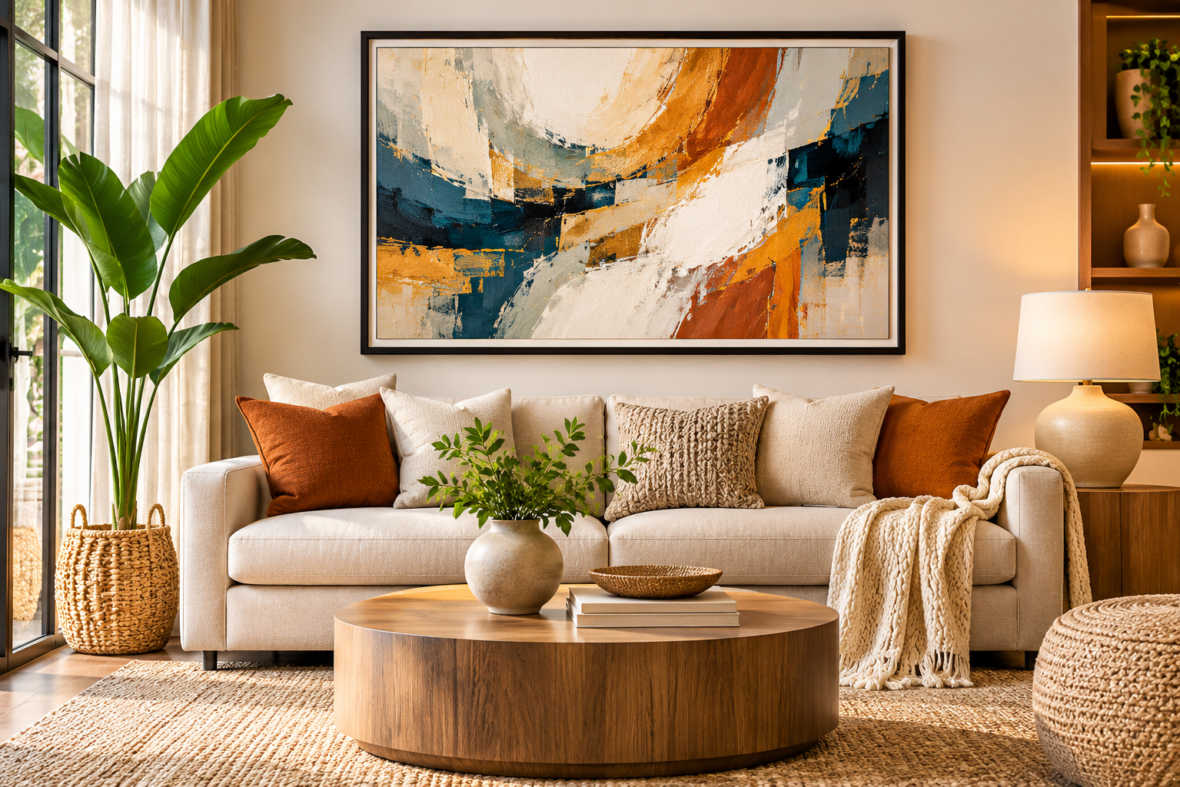
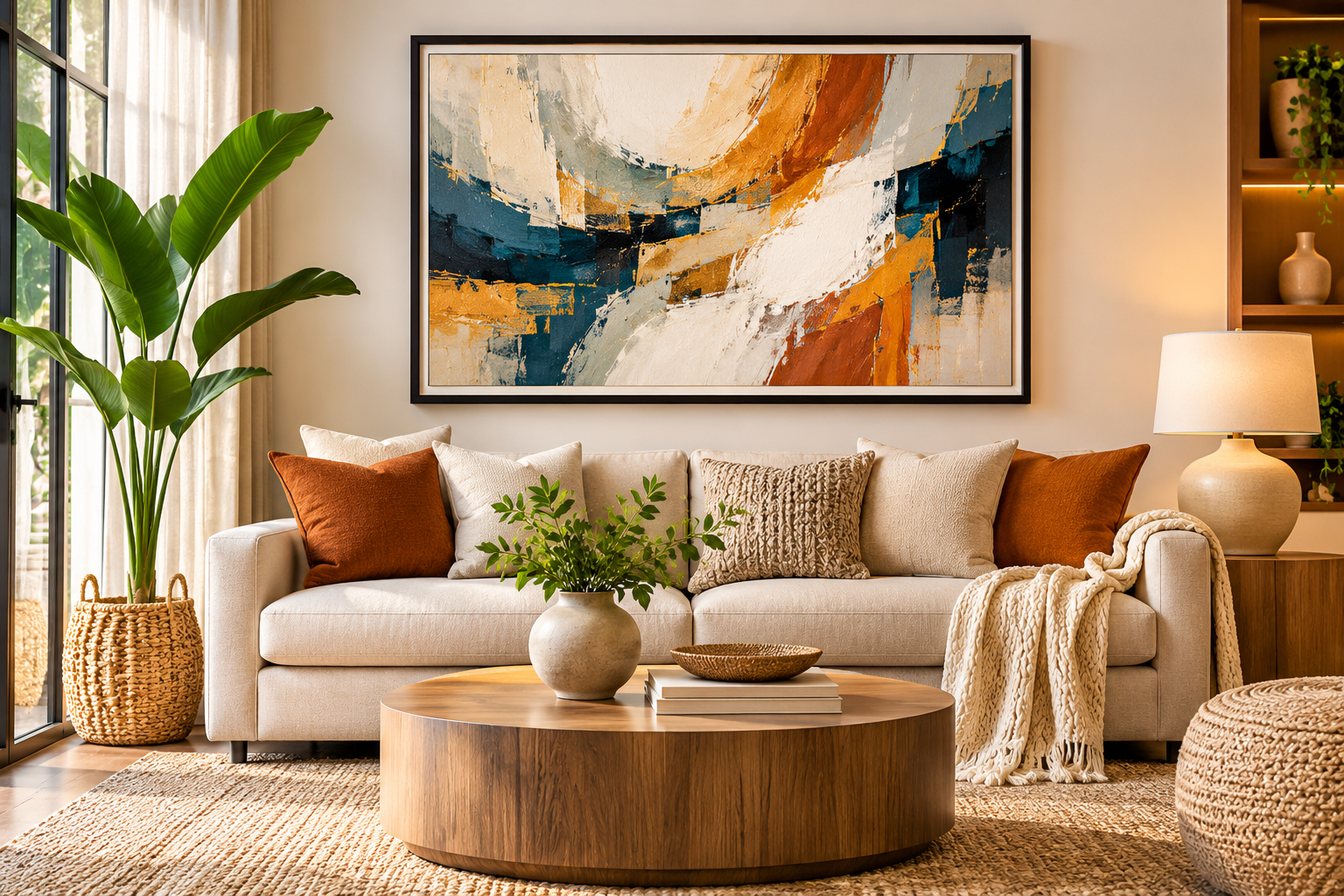
Choose one large artwork for a clear focal point above a sofa, console or bed. A slim black, white or natural-wood frame keeps the attention on the image. Measure the wall and furniture first so the artwork feels intentional rather than squeezed into the space.
2. A balanced set of three prints
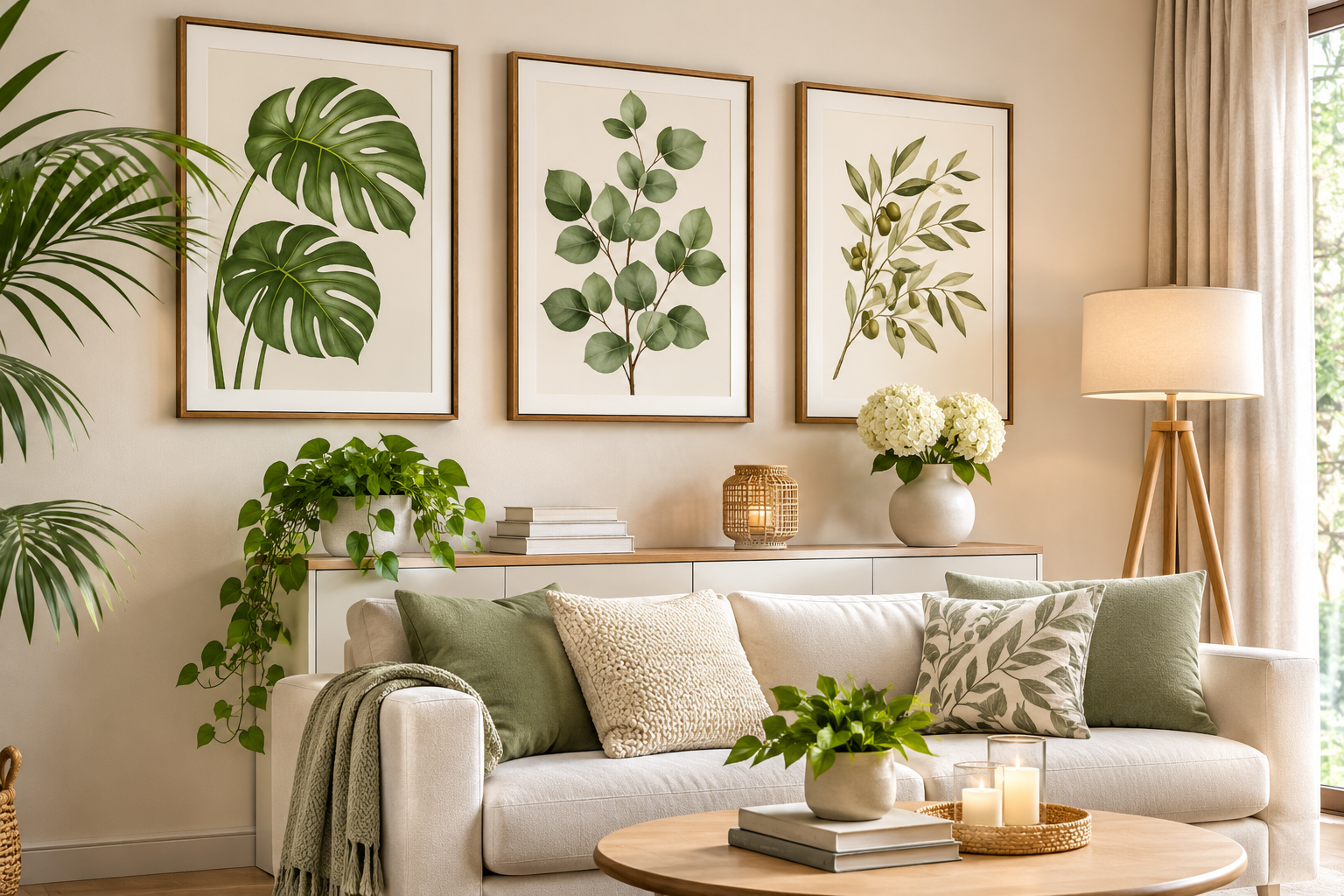
Three related framed wall art prints create rhythm without the planning involved in a large gallery wall. Use the same frame finish and keep the gaps consistent. The images can share a palette, subject or illustration style.
3. Minimalist line drawings
For understated framed wall art, fine-line portraits, botanical outlines and abstract sketches suit narrow frames and generous white mats. This combination works especially well in calm bedrooms, reading corners and uncluttered hallways.
4. Black frames with colourful artwork
Black-framed wall art can give bright artwork a crisp edge. It is a useful choice when the print contains several strong colours or when you want different images to look connected across one wall.
5. Natural wood frames
Wood-framed wall art in oak, ash and other light finishes brings warmth to botanical prints, landscapes and soft neutral artwork. Repeat the wood tone in a shelf, side table or picture ledge to make the room feel coordinated.
6. A collected gallery wall
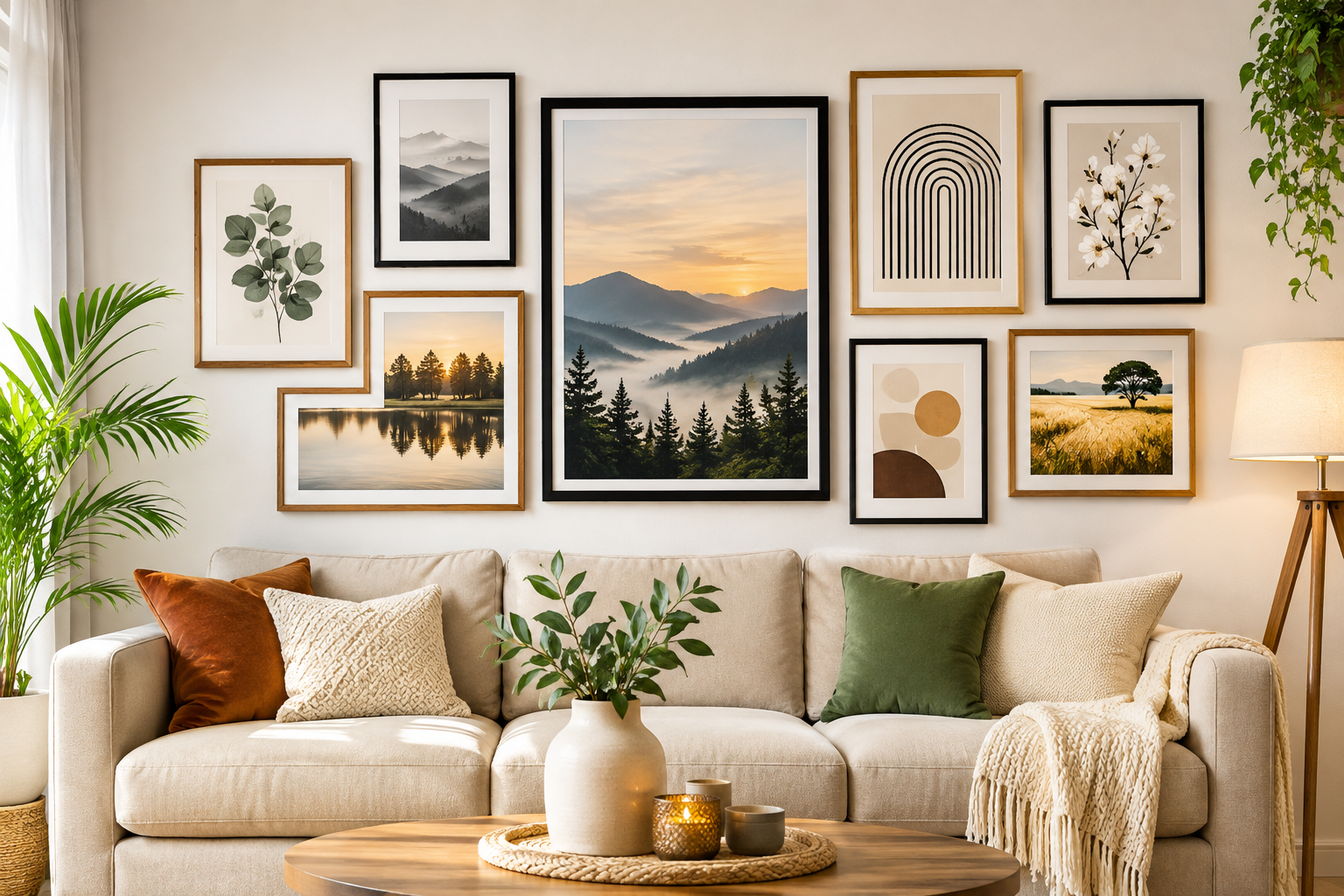
For a personal framed wall art gallery, mix photographs, illustrations and small prints in a planned arrangement. You can use different frame shapes, but repeat one or two finishes to stop the display from feeling random. Lay the arrangement on the floor before putting hooks into the wall.
7. Vintage-style botanical prints
Botanical framed wall art featuring plant studies and flower illustrations looks lovely in slim antique-gold or dark timber frames. A warm off-white mat can give the artwork a traditional, collected appearance without making the display feel old-fashioned.
8. Abstract art in a quiet frame
With abstract framed wall art, let expressive shapes and brush marks take centre stage. A plain frame in black, white or natural wood usually supports abstract work better than an ornate moulding with competing details.
9. A large framed photograph
Travel-inspired framed wall art featuring a favourite photograph, architectural image or landscape can become a personal focal point. Choose a frame that suits the image’s mood: black for a graphic look, wood for warmth or white for a light, airy finish.
10. Monochrome photography
Black-and-white images are easy to combine because they share a limited palette. Use matching frames for a tidy series, or vary the sizes while keeping the frame finish consistent.
11. A colourful frame as an accent
A painted frame in muted green, blue or terracotta can echo one colour in the artwork. Keep the surrounding decor relatively simple so the frame reads as a deliberate detail rather than another competing colour.
12. Framed typography and meaningful words
Typographic prints can add personality to a workspace, kitchen or entryway. Pick a design you will enjoy seeing every day, and avoid overcrowding the wall with too many slogans.
13. A pair of matching landscapes
Two pieces of landscape framed wall art look balanced above a bed, bench or sideboard. Hang them at the same height and use equal spacing. Similar horizons or colours help the pair feel connected.
14. Small frames in a neat grid
A grid of four, six or nine small framed wall art pieces creates order on a narrow wall. Matching frames and mats make the arrangement feel calm, even when the images are different.
15. A floating-frame look for canvas
A floating frame leaves a narrow visible gap around a stretched canvas, creating a clean, gallery-inspired finish. Check that the frame is designed for the canvas depth and that the artwork is securely supported.
16. A framed textile or fabric artwork
Textile pieces add texture that a flat print cannot. Use a deep frame or shadow box when the fabric has raised details, and ask a professional framer about safe mounting so the material is not stretched or damaged.
17. A map of a meaningful place
A map can mark a hometown, favourite city or memorable trip. A restrained frame and a simple mat help small labels and fine lines remain easy to read.
18. A child’s drawing, carefully framed
Framing a child’s artwork turns a personal keepsake into part of the home. Use a ready-made frame for replaceable drawings, or ask for conservation-style mounting if you want to preserve a special original for years.
19. A statement piece in the dining area
One or two framed pieces can give a dining space character. Consider the room’s lighting and avoid placing valuable paper artwork where it may be exposed to cooking steam, splashes or strong direct sunlight.
20. A calm arrangement for a small room
Choose a few pieces with similar colours rather than filling every available wall. A vertical arrangement can draw the eye upward, while a slim frame keeps the display visually light. For more compact-space inspiration, see our guide to wall art for small rooms.
21. A personal collection that grows over time
Start with one favourite print and add pieces gradually. Keep a consistent thread, such as a colour family, subject or frame finish, but allow the collection to reflect your taste. A home should feel lived in, not like a showroom.
How to choose the right frame for your artwork
Start with the artwork itself, not the colour of your sofa. A frame should support the subject, suit the medium and fit the room. A delicate watercolour may need a mat and a narrow moulding, while a bold graphic print can handle a stronger border.
Match the frame material to the style
- Wood: adds warmth and works well with landscapes, botanical art and relaxed interiors.
- Metal: gives a clean, contemporary edge and often suits photography or graphic prints.
- Painted finishes: introduce a controlled accent when the colour relates to the artwork or room.
- Ornate mouldings: can complement traditional paintings, but may distract from very modern or minimal artwork.
There is no single frame finish that suits every home. If you are building a collection, repeating one finish across several pieces is an easy way to create visual consistency.
Decide whether the artwork needs a mat
A mat is the border between the artwork and the frame. It can give a small print more presence and create visual breathing room. For works on paper, a properly fitted mat also helps keep the artwork away from the glazing. If the piece is valuable or sentimental, ask for acid-free or conservation-quality materials rather than attaching it directly to ordinary backing board.
Choose glazing with the artwork in mind
Glass is clear and generally resists scratches, but it is heavy and can break. Acrylic is lighter and less likely to shatter, though it can scratch and may create static. Some glazing options filter ultraviolet light, which can help reduce fading, but no glazing makes it safe to hang sensitive artwork in strong sunlight. For pastels, charcoal or other powdery media, ask a professional framer which glazing is appropriate because static can be a concern.
The Canadian Conservation Institute explains the role of framing and glazing in protecting works on paper in its guide to framing works of art on paper.
Choose the right size and arrangement
Before buying framed wall art, measure the wall and the furniture below it. A frame that is too small can look lost, while an oversized piece may dominate a narrow wall. As a starting point, consider the full width of the artwork and frame together, not just the print inside.
- Above furniture: aim for a piece or group that relates to the width of the sofa, bed or console without extending awkwardly beyond it.
- Eye level: hang the centre of the artwork around average standing eye level, then adjust for seated viewing and the furniture arrangement.
- Gallery walls: keep spacing consistent and plan the outer shape before hanging.
- Small spaces: use fewer pieces with a clear relationship rather than filling every gap.
When planning a framed wall art gallery, cut paper templates the size of each frame and tape them to the wall. This lets you test the arrangement before making holes. If you prefer a more open display, a picture ledge makes it easier to swap artwork without rehanging everything.
Protect and care for framed artwork
Framing is not only decorative. It can help protect artwork from dust, accidental contact and some environmental risks. However, paper and pigments can still be affected by light, moisture and heat. The Library of Congress recommends stable, chemically suitable framing materials and advises keeping framed works away from direct sunlight, heat sources and damp areas.
For valuable originals, consult a qualified conservator or professional framer about archival mounting, suitable backing and UV-filtering glazing. The Library of Congress preservation guidance explains why acid-free matting, safe mounting and suitable glazing matter.
For everyday care, dust the frame gently with a soft, dry cloth. If the front is glass, apply cleaner to the cloth rather than spraying directly onto the frame. Liquid can seep inside and stain the artwork. Check the hanging hardware occasionally, especially for large or heavy frames, and avoid placing framed paper art near bathrooms, kitchens, radiators or windows with intense direct sun.
Frequently asked questions about framed wall art
Should all wall art be framed?
No. Canvas paintings, some textiles and certain sculptural pieces may be displayed without a traditional frame. Paper prints, drawings and photographs usually benefit from a frame and suitable glazing, especially when you want protection from dust and handling.
Are black or wooden frames better?
Neither is automatically better. Black frames create contrast and a crisp outline, while natural wood adds warmth. Choose the finish that supports the artwork and works with the other materials in the room.
Can I mix different frame styles on one wall?
Yes. Mixing styles can make a gallery wall feel personal. Keep one element consistent, such as colour, mat width or spacing, so the arrangement still feels connected.
How do I stop framed art from fading?
Keep it away from direct sunlight and strong light sources. UV-filtering glazing can reduce some exposure, but it does not eliminate light damage. Rotate sensitive paper works if they are displayed for long periods.
Is a mat necessary for a framed print?
Not always, but a mat can improve the proportions and keep paper away from the glazing. For valuable or delicate artwork, use appropriate conservation materials and professional mounting advice.
Final thoughts: make your frames work with your art
The best framed wall art is not necessarily the most expensive or elaborate. It is the artwork you enjoy looking at, presented in a frame that suits its character and the space around it. Start with one piece, consider its colours and medium, measure before buying, and choose safe materials when preservation matters. A few well-chosen frames can give a room personality while making your favourite images feel considered and complete.
Which framed artwork style would you choose for your home: clean black frames, warm natural wood or a collected gallery wall? Share your favourite idea and explore more inspiration in our wall art guides on Debatebay.
Framed Wall Art Inspiration Gallery
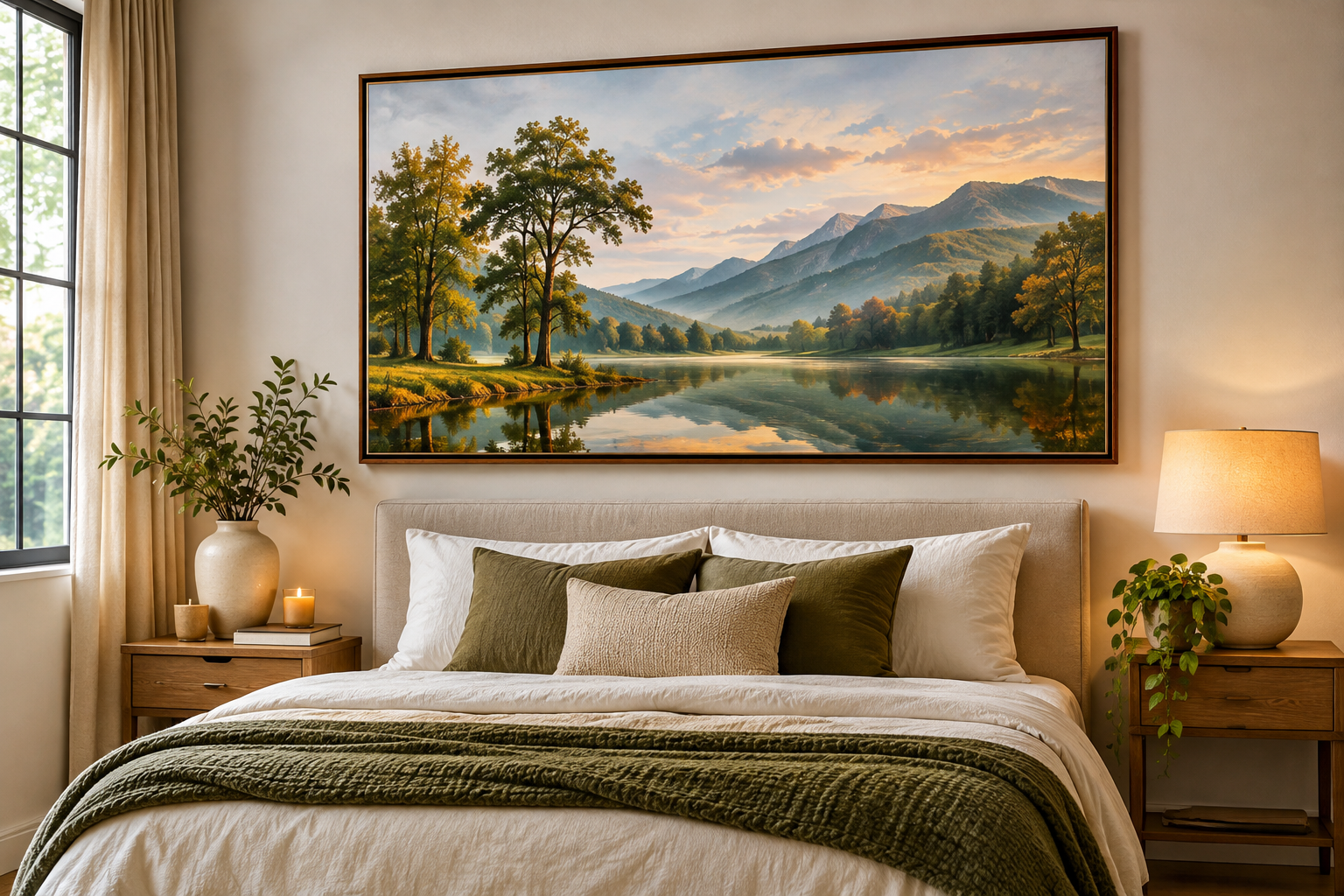
If you enjoy older prints and antique-inspired pieces, explore our vintage wall art styles guide for more display ideas.


2 Comments
Pingback:
November 20, 2026 at 4:47 pmPingback:
November 20, 2026 at 6:52 pm