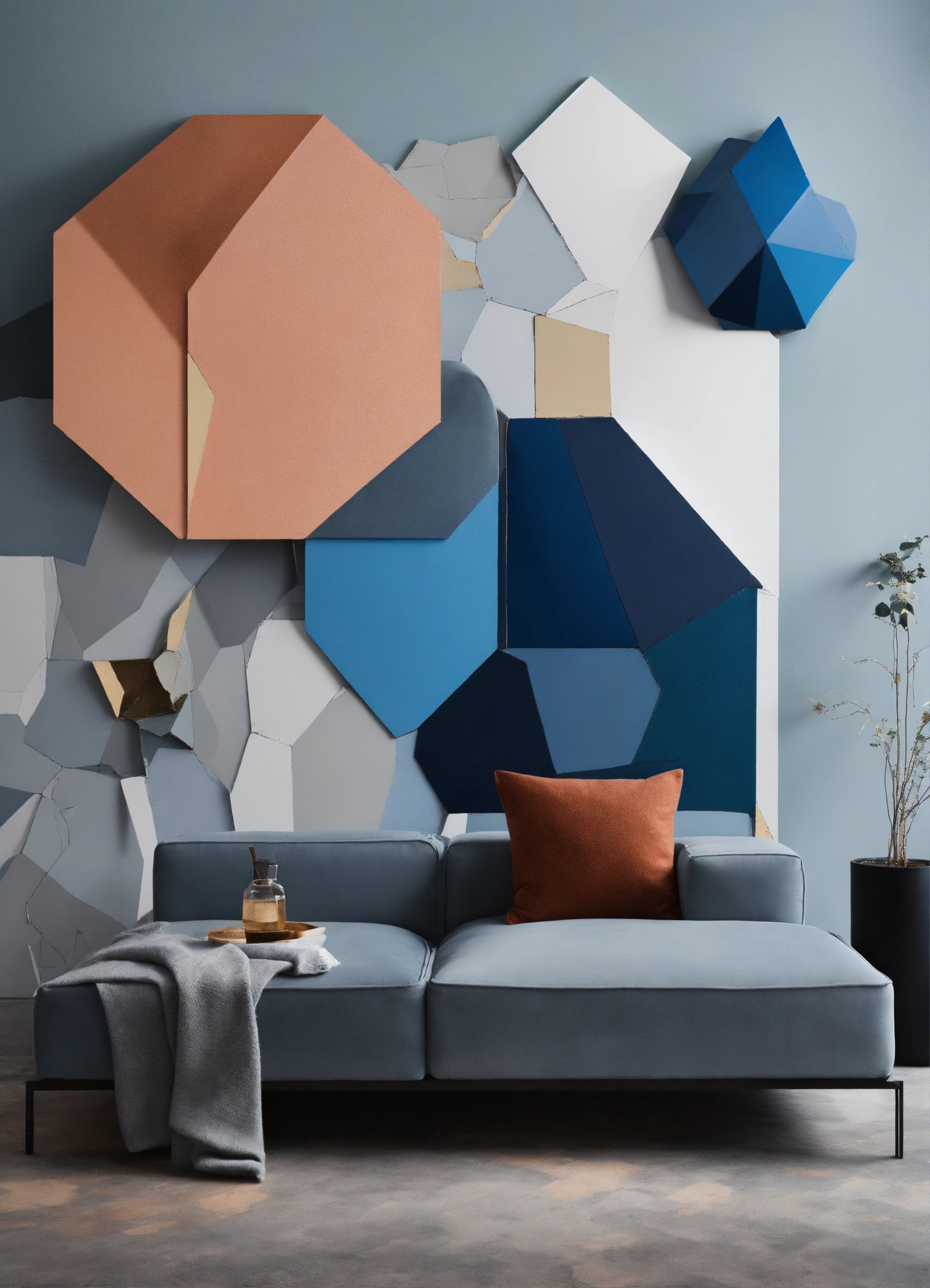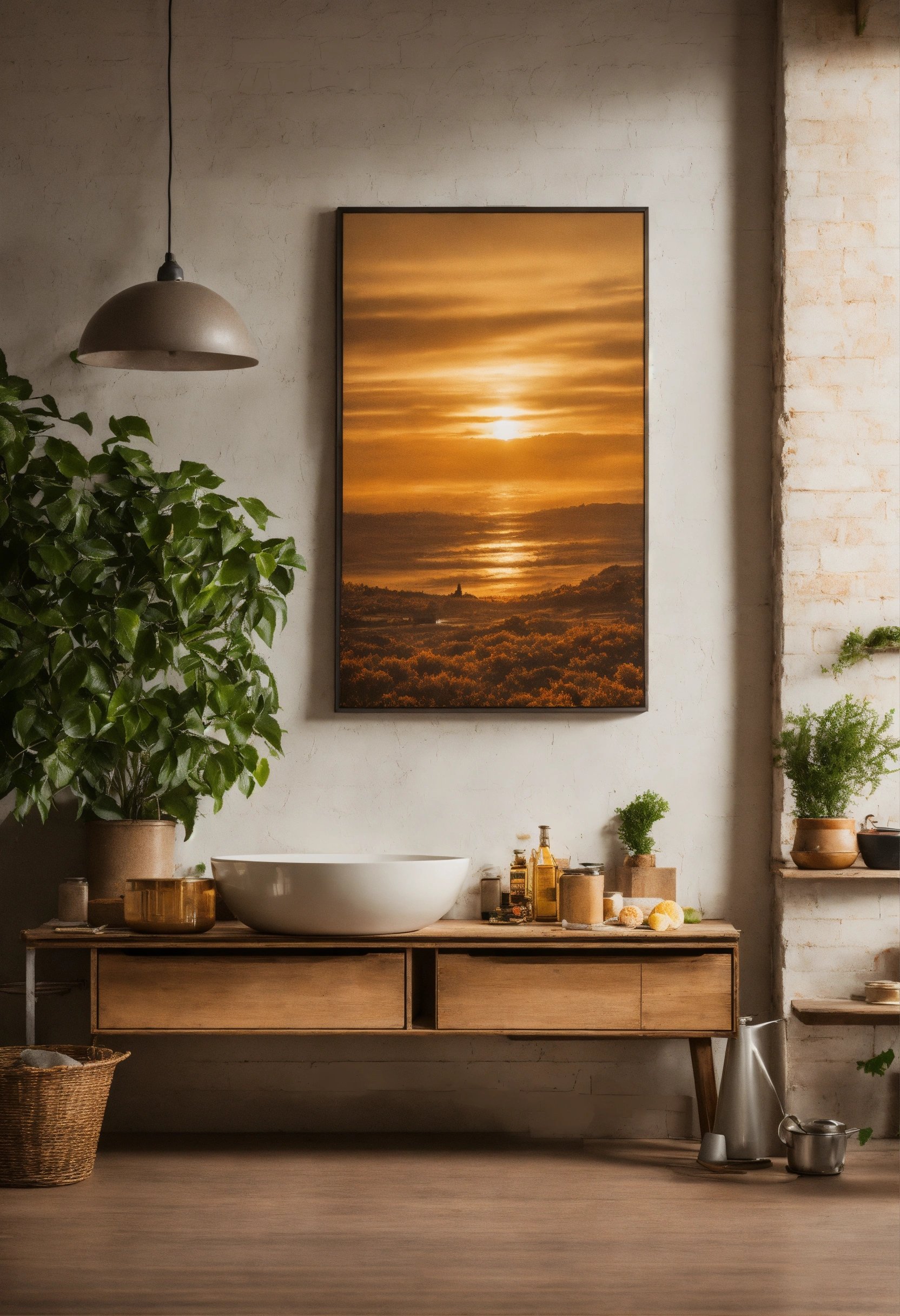
Bathroom wall art could add an artistic touch to your place, enhancing its aesthetics. Keeping a wall art inside the bathroom can cause its to spoil due to the humid environment in bathrooms for this reason there are some specific materials that are durable and perfect to put in such humid place. In this article we will be reprensenting those materials and some tips to maintain your bathroom wall art in a perfect condition.
Understanding Humidity and Its Effects on Art
Humidity is simply the water vapour in the air. In places like bathrooms, it’s daily activities like showers and baths that often increase it. This extra moisture can mess with the look and lifespan of wall art. Bathrooms usually have changing humidity levels. Without good airflow, the bathroom can stay damp. This dampness can harm many types of wall art.
Humid conditions can be tough on wall art. Mould growth, warping, and colour changes are common problems. Mould loves damp places, which isn’t good for art or the area around it. Plus, things like paper and canvas can take in moisture, causing them to warp or twist. This can mess up the art. Paintings and prints might also fade or smear when it’s really humid. That’s why it’s important for people to pick the right stuff and protection for their bathroom wall art. Selecting the correct materials that can resist such conditions is the key to maintaining your wall art in good condition.
Recommended Materials for Bathroom Wall Art
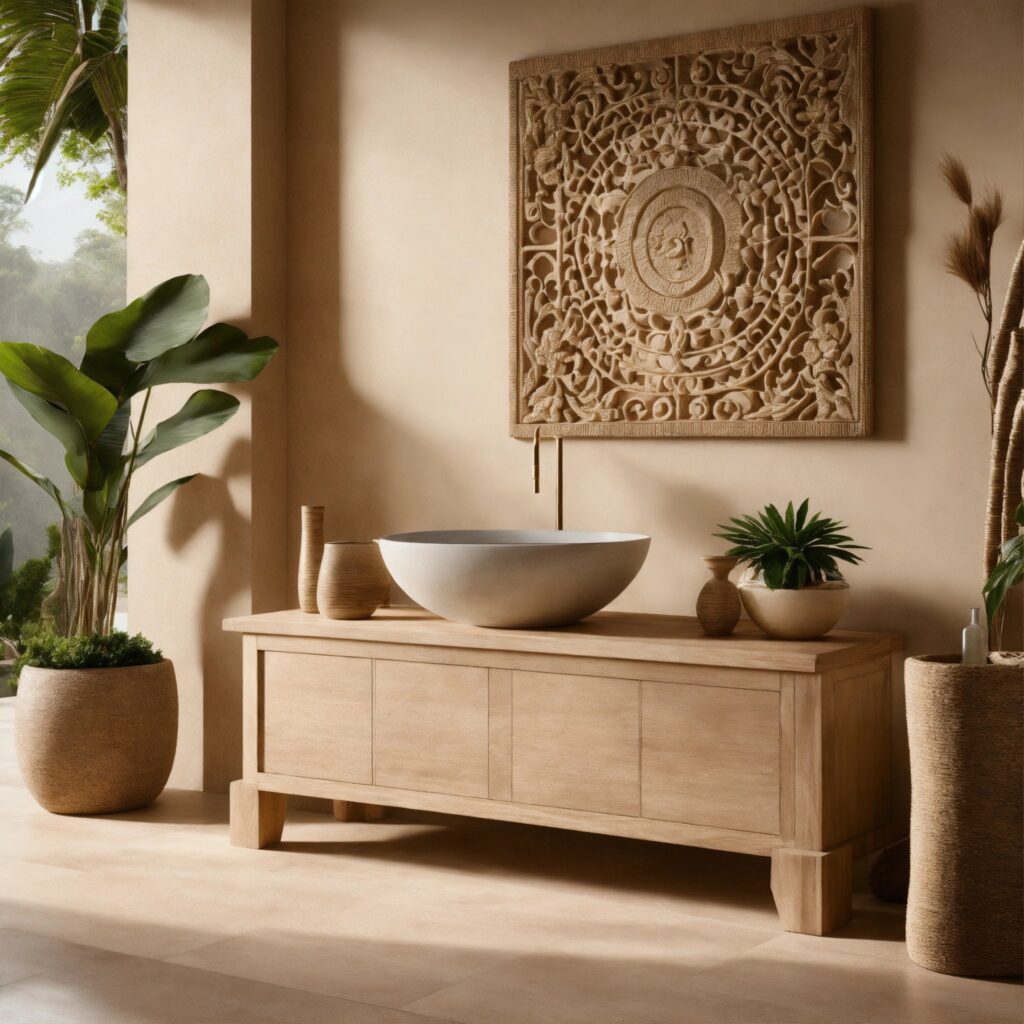
Waterproof and moisture-resistant options
- Acrylic: Acrylic art is a great choice for bathrooms. Cause its brightness won’t break, and it can deal with humidity. So, if your bathroom gets steamy, Acrylic will resist. Plus, it gives a neat, modern finish that’s perfect for any bathroom style.
- Metal: Metal wall art has the bonus of being sturdy and strong, able to withstand water and rust. This solid artwork is a smart idea for bathrooms where lots of moisture could wreck other stuff. They offer different finishes. These finishes provide a modern or factory-like feel to your place and promise to last a long time.
- Vinyl: If you’re looking for a flexible and waterproof way to spruce up your bathroom, Vinyl wall art could be the solution. These decals are a breeze to stick on and take off. They bring a pop of colour and playful patterns without the fear of steam or dampness causing harm. Plus, they’re a cinch to wipe clean, perfect for bathrooms that are always in use.
Natural materials with protective treatments
- Treated Wood: For wall decor in the bathroom, protected wooden wall art is a great choice. It stands up well to dampness because it’s made to resist moisture. This special kind of wood keeps looking good, even in humid places like a bathroom. It can add a rustic or nature-inspired touch to your bathroom decor.
- Canvas with Water-Resistant Coatings: Canvas art with a protective layer that resists water is a great match for bathrooms. This layer stops water from causing damage and the colour from fading, letting you appreciate the canvas’s feel and richness without concern for dampness. It’s a smart and stylish option for displaying wall art in humid spaces.
Innovative Materials Designed for High-Humidity Areas
- Glass: With framed pieces or murals, glass wall art adds a stylish, refined touch to your bathroom. Easy to clean and resistant to moisture, it’s a clever choice if you’re seeking both fashion and durability.
- Ceramic Tiles: Ceramic tiles are becoming more popular for bathroom wall art because they stand up well to moisture and are easy to clean. These tiles, creatable in many different designs and colours, allow for beautiful mosaics or highlighted areas. These resilient accents thrive, even in damp conditions, making the space look really cool.
Tips for Maintaining Bathroom Wall Art
Keep your bathroom wall art in great shape by cleaning it regularly, especially when it gets humid. Dust and damp, always there over time, can be removed with a soft, dry cloth. If your art is made from materials like Acrylic, metal, or glass, a gentle soap and water clean-up now and then won’t harm it and will also keep it bright. Stay clear of strong chemicals that could spoil coatings or finishes. And make sure the bathroom is aired well to keep dampness away. This can stop mould and mildew from spoiling your artwork.
It’s important to install bathroom wall art correctly to make it last longer. Choose hardware that can resist moisture, like stainless steel or no rust hooks. This helps keep artwork fixed to the wall, avoiding falls due to humidity or steam. Think about using waterproof covers or sealants on wood frames and canvas prints for extra safety. These methods work by closing off the material so water can’t get in. This stops problems like warping, colour changes, or other damage from happening.
Conclusion
In conclusion, it’s vital to pick top-notch materials for your bathroom wall art. This will help it last in damp areas. Bathrooms are often wet. So, your art should handle mould, bending, and other damp-related problems. Using materials that resist water, such as Acrylic, metal, vinyl, treated wood, and ceramic tiles, is smart. This helps your artwork stay strong. Regular cleaning and protective treatments are also key. They keeps your wall art looking good and up your bathroom’s style for a long time.
FAQ
Can I use fabric-based wall art in my bathroom?
It’s generally a bad idea to use a fabric bathroom wall art. Because bathrooms are usually damp with high amounts of moisture. Fabric stinks up this moisture which may cause mold, mildew, and eventually, ruin the fabric. But if you really like fabric art, there are ways to guard it. Use a frame that’s designed to fight off moisture or hang it in a bathroom with good air flow to lower damage risks.
Can I display wall art in a bathroom without ventilation?
This is not a good idea. Too much dampness builds up without the flow of air. Mould pushes in. Your pictures warp, even get ruined, as time moves on. No vents? Pick sturdy stuff. Things like metal, hard plastic, or pottery are good. Maybe think about using machines that suck moisture from the air to keep the room’s dampness down.